

Ella
My biggest piece of advice would be to be prepared to step outside of your comfort zone. The programme challenges you in lots of different ways, whether that’s learning new technical knowledge, taking on unfamiliar work, or building confidence in your own abilities. For me, becoming comfortable with feeling uncomfortable has been one of the biggest contributors to success.
It’s also important to be resilient. The programme can be challenging and, at times, intense, but you’re never expected to tackle it alone. Make use of the support available to you, whether that’s your colleagues, managers, tutors, or wider networks. In my experience, everyone genuinely wants to see you succeed and is happy to help when you need it.
Finally, don’t be afraid of making mistakes. There will be times when things don’t go quite as planned, and that’s completely normal. Every challenge, setback, or mistake is an opportunity to learn and improve. Some of the most valuable lessons I’ve learned on the programme have come from the moments where I’ve had to reflect, adapt, and try again.

Will
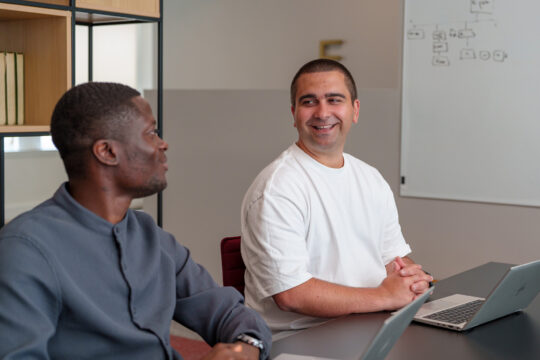
My biggest advice for applicants is that whilst the application process is intended, so far as I can tell, to assess raw ability rather than emphasise your past experience, there are things you can do to prepare. For example, I studied the marking criteria for the interview stage of the assessment and the assessment centre. These are available online and are made very public by the recruitment team. I’d recommend that applicants have a look at how they’re broken down and think about how they might demonstrate the behaviours. ‘What would a good example to share at interview look like?’ If you make it to the assessment centre, think about how these standards might apply to the exercises.
At the assessment centre, the two things that will stand you in good stead are solid analytical skills and, above all, I think, an ability to think and communicate clearly. One final tip: I remember finding the timings incredibly tight. Don’t underestimate the importance of prioritising and remember it’s usually better to get in something complete than chase perfection and blow past a deadline.
Lea
My advice would be to apply with a willingness to learn and an open mind. You don’t need to have extensive work experience before joining. The programme is designed to support your development and provide opportunities to build your skills over time.
It’s important to be prepared for a role that combines learning with practical work and to be comfortable stepping outside of your comfort zone. Make the most of the support available, ask questions and don’t be afraid to challenge yourself. The programme can be demanding, but it’s also incredibly rewarding and provides a fantastic opportunity to develop both professionally and personally.
Holly
My advice would be:
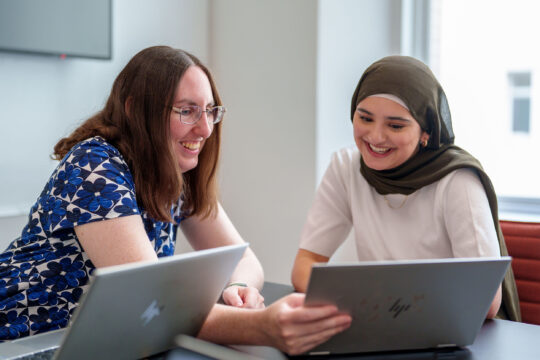
- Be curious – There is so much to learn and get involved in.
- Don’t think that tax is all about numbers – Strong communication, relationship-building, and critical thinking skills are just as important.
- Be confident – It’s okay not to know much about tax; there are so many opportunities to learn and so much support. There are no silly questions.
Start a career that grows with you at HMRC
Join the Tax Specialist Programme and thrive in a work culture that celebrates your whole self.
Applications are opening on 9 October 2026.
Start your HMRC journey today by looking at the vacancies we have available.
Discover more about what we do, our business areas and life at HMRC.
Ask our employees questions for an insight into what it’s like to work at HMRC.
Return to our Tax Specialist Programme page to read more.